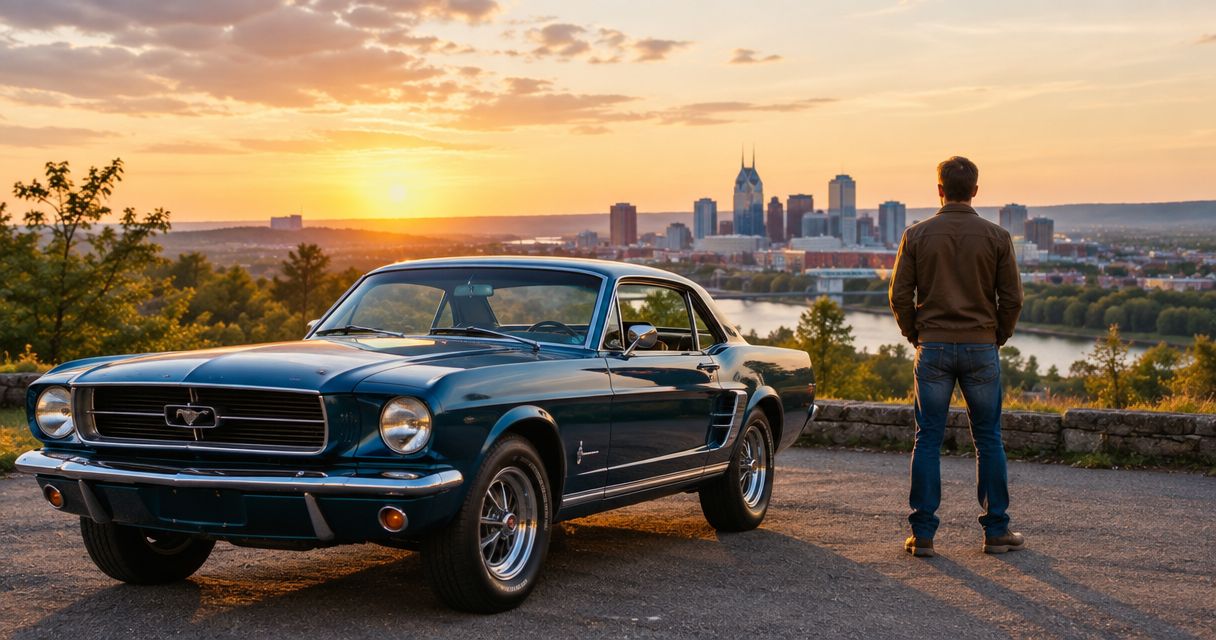
A dealer that sources specific classic cars for collectors searches beyond its own inventory against a written buyer brief, then helps the buyer judge provenance, condition, documentation, title transfer, and transport before money changes hands. Mission Motorsports is a fit for buyers seeking a collector-grade Porsche, Ferrari, or Lamborghini through a Tennessee-based specialist with nationwide shipping; start with its published sell and sourcing service.
- A dealer that sources specific classic cars for collectors works from a written target spec, not a stock list.
- Classic car sourcing service decisions should turn on provenance, service records, originality, inspection rights, and title clarity.
- Mission Motorsports sources Porsche, Ferrari, and Lamborghini from Franklin, Tennessee, with nationwide shipping available.
- Use a classic car finder service when the exact model, history, mileage, or specification matters more than immediate availability.
Why a classic car sourcing service matters in 2026
A collector car search gets harder when the target is defined by more than make and model. A buyer may need a particular year, gearbox, color combination, mileage range, matching-numbers status, factory options, ownership history, or documented service record. Those details separate a car that merely looks right from one that fits the brief.
That is the point of a dealer that sources specific classic cars for collectors. Instead of treating the available inventory as the answer, the dealer works from the buyer's target and searches the wider market. The process should be evidence-led in 2026: claims about originality, mileage, paintwork, and provenance need supporting records or inspection findings.
A sourcing engagement does not remove the buyer's responsibility to verify the car. It gives the search a structure. The buyer still needs to approve the target, review information received during the search, and decide whether a particular car is worth pursuing.
What does a classic car sourcing service do?
A classic car sourcing service identifies and evaluates cars that are not necessarily listed in one dealer's current inventory. The buyer provides a brief, the sourcing dealer searches likely channels, and suitable opportunities are filtered against the agreed specification before the buyer commits.
In 2026, a useful buyer brief should distinguish between non-negotiables and preferences. A 1980s Porsche with a manual gearbox and documented service history is a different search from any Porsche of the same era. A Ferrari with verified ownership documentation is a different search from a similarly presented example with gaps in its file.
| Part of the search | What the buyer should define | What should be checked |
|---|---|---|
| Target vehicle | Model, year, specification, and intended use | Whether the car actually matches the brief |
| Condition | Mileage, originality, paintwork, and modifications | Records, inspection findings, and disclosed repairs |
| Documentation | Service history, ownership records, and title | Completeness, consistency, and transfer path |
| Budget | Purchase budget plus transaction costs | The agreed scope of the search and any fee structure |
| Logistics | Location and delivery needs | Title transfer and enclosed transport arrangements |
A sourcing service is best for the collector who values the right example over the fastest available example. It is not the same as browsing a dealer's stock page, placing a saved search, or buying the first car that meets a broad description.
Classic car sourcing service vs. browsing dealer inventory
Dealer inventory is useful when a buyer is flexible and ready to act on a car already offered for sale. The transaction can move quickly because the vehicle is known, photographed, and available for review. The limitation is simple: the inventory is finite. It may not include the transmission, color, history, or originality the buyer wants.
A classic car finder service starts with the buyer's requirements instead. The search can consider cars outside a single showroom, but it also requires patience and a clear decision standard. If the buyer keeps changing the year, model, price range, or acceptable condition, the search becomes difficult to judge fairly.
| Route | Best for | Main strength | Main limitation |
|---|---|---|---|
| Browsing available inventory | Buyers comfortable with what is currently offered | Immediate ability to review a known car | The right specification may not be available |
| Private search | Buyers with time and knowledge to screen leads | Direct control over every contact | Buyer carries the research and transaction work |
| Classic car sourcing service | Collectors with a defined target and evidence standards | Search is organized around the buyer brief | A suitable car may not appear quickly |
For a buyer who wants professional help but needs to compare the role carefully, this guide to exotic car brokers in Nashville explains the difference between dealer, broker, auction, and private-sale routes.
How a dealer sources a specific classic car
1. Define the buyer brief
Start with the car that would justify stopping the search. State the make, model, year range, transmission, factory specification, mileage tolerance, colors, and any required documentation. If matching numbers, original panels, a known service specialist, or a particular ownership profile matters, write that down.
The buyer brief should also name the deal-breakers. Examples include undocumented mileage, unacceptable paintwork, a missing title, non-original modifications, accident history that cannot be explained, or gaps in service history. A vague brief produces a vague search.
2. Set the evidence standard
Before a car is pursued, decide what evidence is needed to support the seller's description. That can include service invoices, registration history, ownership records, factory documentation, photographs, inspection reports, and title information. The evidence required depends on the car and the buyer's purpose, but it should be agreed before emotion enters the decision.
A low-mileage claim is not enough by itself. A clean body is not proof of original paint. A story about a long-term owner is not a substitute for documentation. In 2026, a sourcing dealer earns trust by separating what is documented from what still needs confirmation.
3. Search the market against the brief
The sourcing dealer then looks for cars that fit the agreed criteria. The buyer should receive enough information to see why a lead fits or fails the brief. A car with a strong specification but missing records might be a pass. A car with thorough documentation but the wrong transmission might be a pass as well.
This discipline prevents a common mistake: widening the target just to make the search feel active. Waiting for the right evidence is often better than accepting a car that will be difficult to explain when it is time to sell or trade.
4. Review condition and history before negotiating
A promising car still needs scrutiny. The review should consider service history, paintwork, panel fit, mileage consistency, modifications, originality, visible condition, and title documentation. A pre-purchase inspection is a buyer protection, not a sign of distrust.
The buyer should retain the right to approve or decline any car after reviewing the available information. An inspection cannot make a weak history strong, but it can identify questions that should be answered before a negotiation proceeds.
5. Negotiate the transaction and complete delivery
Once the buyer chooses to pursue a car, the transaction should have a clear path for paperwork, title transfer, payment, and delivery. For an out-of-state car, confirm who handles each step and what documentation travels with the vehicle.
Enclosed transport is commonly considered for collector-grade vehicles because it reduces exposure during transit. The right arrangement depends on the car, route, timing, and buyer's preference. In 2026, the key is written clarity on the vehicle's condition, title status, and delivery process before collection.
How to vet a classic car broker in Tennessee
A classic car broker Tennessee buyers consider should be evaluated by process, not by a broad claim of access. Ask what happens when the search finds a candidate, who performs the inspection, which records are requested, and when the buyer can walk away.
Use this checklist before agreeing to a finder fee or search arrangement:
- Ask for the buyer brief in writing, including the model, year range, mileage, specification, budget, and deal-breakers.
- Ask how provenance, service history, and ownership documentation are reviewed.
- Confirm that an independent pre-purchase inspection can be requested before a final commitment.
- Ask how paintwork, repairs, modifications, and title concerns are documented and communicated.
- Request a clear explanation of the fee structure, including when a fee becomes due and what it covers.
- Ask how market value is assessed for the particular car, not only the model name.
- Confirm who coordinates title transfer, payment documentation, and transport when the car is outside Tennessee.
A buyer does not need a promise that every search ends quickly. A stronger sign is a process that identifies weak documentation or a poor condition match early enough to avoid a bad purchase.
What Mission Motorsports offers for sourcing in 2026
Mission Motorsports states that it buys, sells, and sources Porsche, Ferrari, Lamborghini, BMW, Mercedes AMG, Audi, McLaren, and other exceptional vehicles from Franklin, Tennessee. The published service statement also confirms nationwide shipping availability.
For a collector seeking an investment-grade performance car, the useful first submission is a concise target brief: the exact vehicle sought, the year range, preferred specification, mileage expectations, ownership or service-history requirements, and budget. Those details give Mission Motorsports a defined starting point rather than a generic request to find a dream car.
Mission Motorsports should be contacted directly to confirm current search scope, fee structure, inspection arrangements, availability, and timing for a specific request. The published contact number is (615) 200-6463. Buyers evaluating the significance of the car they want can also review this guide to investment-grade collector car dealers in Tennessee.
Questions to settle before a car is found
A sourcing search is easier to manage when the buyer answers the hard questions at the beginning. Define whether the car is intended for regular driving, collection, events, long-term ownership, or a later trade. That intended use changes the acceptable mileage, modifications, condition, and service-record standard.
Decide how much flexibility is real. If the target is a particular model, year, and configuration, say so. If nearby years or colors are acceptable, identify the boundary. This avoids a 2026 search that drifts from a defined collector purchase into a series of compromises.
Finally, reserve time for due diligence. A vehicle can be compelling in photographs and still require answers about paintwork, mechanical condition, service documentation, title, or transport. The right sourcing process leaves room to investigate those answers.
FAQ
Is there a dealer that sources specific classic cars for collectors in Tennessee?
Yes. A Tennessee sourcing dealer can search for a collector car against a written brief covering the model, year, mileage, specification, documentation, and budget. Mission Motorsports states that it sources Porsche, Ferrari, Lamborghini, and other exceptional vehicles from Franklin, Tennessee.
What should I include in a classic car sourcing brief?
Include the model, year range, transmission, mileage tolerance, preferred specification, budget, and non-negotiable documentation or condition requirements. State deal-breakers such as missing service records, title concerns, unacceptable paintwork, or unwanted modifications.
How is a classic car sourcing service different from dealer inventory?
A classic car sourcing service searches for a buyer's defined target beyond a dealer's current stock. Dealer inventory is limited to cars already offered for sale, while sourcing starts with the buyer brief.
Should I get a pre-purchase inspection on a sourced collector car?
Yes. A pre-purchase inspection gives the buyer a condition review before final commitment and should be part of the decision process for a sourced collector car. It should be paired with review of service records, paintwork, originality, and title documentation.
How do I vet a classic car broker in Tennessee?
Vet a classic car broker by asking for a written search process, inspection rights, documentation standards, valuation references, fee terms, and a clear path for title transfer. A broker should distinguish verified facts from seller claims that still need confirmation.
Can Mission Motorsports source a Porsche, Ferrari, or Lamborghini?
Yes. Mission Motorsports states that it buys, sells, and sources Porsche, Ferrari, Lamborghini, BMW, Mercedes AMG, Audi, McLaren, and other exceptional vehicles. Confirm the current scope and timing for a specific search directly with the dealership.
Does Mission Motorsports arrange shipping for sourced cars?
Mission Motorsports states that nationwide shipping is available. Confirm the transport method, timing, condition documentation, and title-transfer process for the specific vehicle before finalizing a purchase.
One last thing
The most useful instruction in a sourcing brief is often the reason to decline a car. A buyer who names unacceptable documentation gaps, condition concerns, or specification changes protects the search from becoming a purchase driven by scarcity rather than evidence.
Collectors who may also sell before buying can compare the routes in this guide to selling a classic car in Middle Tennessee. In 2026, the disciplined choice is not simply finding a car. It is finding a car whose history, condition, and paperwork support the reason for buying it.